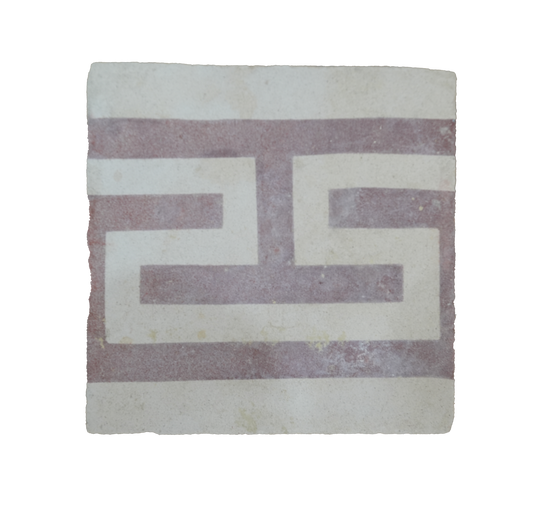
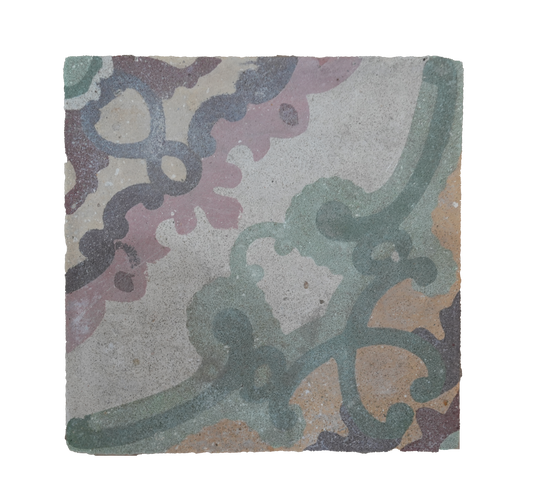
Reclaimed terracotta, limestone, bluestone and marble bring something to a project that new material has difficulty reproducing: genuine wear, softened edges, natural variation and a surface that has developed over decades or centuries of use.
These materials were not manufactured to modern dimensional tolerances, and they should not be installed as though they were. Thickness, size, color, texture and surface condition can vary within a single batch.
The best installations embrace those differences while planning for them from the beginning.
Before You Purchase
Determine the total area required before purchasing reclaimed tile or stone.
Reclaimed material is generally available as a finite batch. Once it is gone, an exact match may be difficult or impossible to find.
We generally recommend purchasing 10–15% additional material for cuts, sorting, breakage and future repairs. Irregular layouts, complicated patterns or material with substantial dimensional variation may require additional waste.
Before ordering, confirm:
- Material type
- Approximate dimensions
- Thickness and thickness variation
- Quantity available
- Interior or exterior application
- Floor or wall application
- Intended installation pattern
- Surface condition
- Existing mortar or residue
- Whether the material has been cleaned
- Desired grout or joint width
For larger installations, we recommend having your installer, builder or designer review the actual material before purchase.
Expect Variation
Variation is inherent in reclaimed tile and stone.
Depending on the material, expect differences in:
- Color
- Tone
- Dimensions
- Thickness
- Edge condition
- Surface texture
- Wear
- Patina
- Chips
- Small cracks
- Mineral deposits
- Old mortar or setting material
- Previous repairs
These characteristics should not automatically be considered defects.
The installer should work from multiple pallets or stacks at the same time so variation is distributed intentionally throughout the installation.
Measure the Actual Material
Do not design the floor assembly around a nominal dimension and assume every piece will be identical.
Historic tile and stone can vary considerably in thickness and dimensions.
The installer should have actual samples before establishing finished floor elevations, transitions, thresholds, cabinetry clearances, door heights and adjacent flooring assemblies.
This is particularly important with thick reclaimed stone or handmade terracotta.
Planning for the material early is much easier than trying to accommodate it after the surrounding construction has already been completed.
Sorting & Dry Layout
Reclaimed tile and stone should be sorted before installation.
For significant areas, we recommend laying out at least a portion of the material dry before setting begins.
This allows the installer and designer to evaluate:
- Color distribution
- Size variation
- Surface wear
- Edge conditions
- Pattern
- Joint width
- Heavily weathered pieces
- Pieces best suited for cuts or perimeter locations
A good reclaimed installation should feel naturally varied without looking randomly patched together.
Substrate Preparation
The substrate should be structurally sound, clean, dry and properly prepared for the intended installation.
Stone and tile assemblies are relatively unforgiving of excessive movement. The appropriate substrate, underlayment, waterproofing, uncoupling or crack-isolation system should be determined for the project.
Large or thick reclaimed pieces may also add substantial weight.
The installer should evaluate the complete assembly rather than treating the reclaimed material as simply a decorative surface.
Thickness Variation
Thickness variation is common in reclaimed material and should be anticipated before installation.
Some pieces may need to be individually bedded or adjusted to maintain an acceptable finished surface. Substantial variations may require sorting by thickness or additional substrate preparation.
The goal does not always need to be a perfectly flat, machine-like surface.
A slight amount of irregularity can be part of the character of reclaimed flooring, but excessive lippage can create an uncomfortable walking surface or a trip hazard.
The acceptable level of variation should be discussed before installation begins.
Terracotta
Reclaimed terracotta is typically porous and can vary significantly in color, texture, dimensions and absorption.
Expect worn edges, firing variation, surface staining and differences ranging from pale ochres and pinks to deep reds and browns.
Because terracotta can absorb moisture rapidly, the installer should understand how the material will interact with setting materials, grout and sealers.
Pre-sealing may be appropriate before grouting to reduce staining and make cleanup easier. The exact process should be tested on the actual tile first.
Aggressive cleaning can permanently alter the surface and patina of old terracotta.
For exterior installations, the suitability of the particular tile for the climate and exposure should be evaluated before use.
Limestone
Reclaimed limestone often develops a softened, worn surface that is difficult to reproduce artificially.
As a natural stone, limestone can contain color variation, fossils, veining, pits, mineral deposits and other geological characteristics.
Limestone is generally sensitive to acids. Acidic cleaners can etch or permanently alter the surface and should not be used unless specifically appropriate for the stone.
Some reclaimed limestone may also be relatively porous and benefit from sealing depending on the application.
For exterior installations, the specific stone's porosity, condition and exposure should be considered, particularly where freeze-thaw conditions occur.
Bluestone
Bluestone can be an excellent material for floors, terraces, porches, courtyards and landscape applications.
Expect natural variation in color, texture and mineral content. Reclaimed material may also show worn surfaces, old mortar residue and evidence of previous exterior exposure.
Bluestone used outdoors should be installed over an assembly designed for proper drainage. Standing water and trapped moisture can contribute to staining and deterioration of both the stone and surrounding assembly.
Some bluestone can exhibit natural mineral or iron-related staining. Cleaning products should always be tested before widespread use.
Marble
Reclaimed marble should be expected to show evidence of its previous life.
Wear, scratches, softened edges, small chips, old repairs and variations in polish can be part of its character.
Marble is sensitive to acids. Vinegar, citrus, acidic cleaners and certain household products can etch the surface.
Existing cracks should be evaluated before installation. Some pieces may be suitable for repair or strategic placement, while others should be excluded from areas where structural integrity is important.
If the marble will be refinished after installation, determine the desired level of polishing or honing beforehand. Heavy refinishing can remove the worn surface that made the reclaimed material desirable in the first place.
Setting Materials
The appropriate mortar or setting material depends on the type of tile or stone, substrate, thickness and application.
Do not assume one setting product is appropriate for every reclaimed material.
Light-colored and translucent stone may require particular attention to mortar selection to prevent discoloration or visible shadowing.
Some reclaimed materials may also contain old residues on their backs that need to be evaluated before installation to ensure proper bond.
The installer should select setting materials compatible with both the reclaimed material and the substrate.
Grout & Joint Width
Joint width should be determined using the actual material rather than assuming a narrow modern tile joint.
Dimensional variation often makes a somewhat wider or more forgiving joint appropriate for reclaimed tile and stone.
Grout color also has a significant effect on the finished appearance.
We strongly recommend preparing a physical grout sample or small mockup using the actual reclaimed material before the entire installation is grouted.
The right grout should complement the material rather than visually overpower it.
Cleaning Before & During Installation
Old mortar, dirt and surface deposits may remain on reclaimed material.
Loose material should be removed as necessary, but cleaning methods should be selected carefully.
Avoid automatically using acids, aggressive grinding, sandblasting or high-pressure washing. A cleaning method that works well on one type of stone may permanently damage another.
Always test cleaning methods on several pieces before treating the entire batch.
Installation residue and grout haze should also be removed using products appropriate for the specific material.
Sealing
Not every reclaimed tile or stone needs to be sealed, but many porous materials benefit from an appropriate sealer depending on their use.
Terracotta and certain limestones are particularly absorptive. Marble and bluestone may also be sealed depending on the application and desired appearance.
Sealers can alter:
- Color
- Sheen
- Surface feel
- Stain resistance
- Water absorption
- Vapor transmission
Always test the proposed sealer on the actual material first.
For particularly valuable or visually variable material, test more than one piece. A single sample may not represent how the entire batch will react.
Exterior Applications
Exterior installations require additional consideration.
The material, setting system, substrate, drainage, climate and exposure all affect performance.
Water should be able to leave the assembly rather than becoming trapped beneath or within the material.
In climates subject to freezing temperatures, water absorption and freeze-thaw durability become particularly important.
Not every historic tile or stone is appropriate for every exterior environment simply because it survived somewhere else for a long time.
The original installation and climate may have been very different from the new one.
Wet Areas
Reclaimed tile and stone can be used in bathrooms and other wet environments when the material and assembly are appropriate.
Waterproofing should be handled by the underlying assembly rather than relying on the reclaimed finish material or sealer to make the installation waterproof.
Particular consideration should be given to:
- Material absorption
- Slip resistance
- Grout
- Sealers
- Drainage
- Waterproofing
- Cleaning and maintenance
Highly worn or polished surfaces may become slippery when wet and should be evaluated for the intended location.
Radiant Heat
Many stone and tile materials can work well over radiant heating systems.
The complete assembly should still be designed for the heating system, substrate and material being installed.
Movement joints, setting materials, underlayments and heating-system requirements should be coordinated before installation.
Do not allow heating cables or floor assemblies to be finalized before confirming the thickness of the reclaimed material.
Order Enough the First Time
Reclaimed tile and stone can be particularly difficult to match later.
Another batch may be similar in material and age but noticeably different in color, dimensions, thickness or wear.
Whenever possible, purchase enough material for the installation plus a reserve for future repairs.
A small amount of matching material stored after construction can be invaluable years later.
Choosing an Installer
Reclaimed material rewards an experienced installer.
We recommend working with someone comfortable installing natural stone, handmade tile and dimensionally irregular materials, rather than assuming the installation will proceed exactly like modern calibrated tile.
The installer should inspect the actual material before beginning work and be comfortable making field decisions regarding sorting, thickness, layout, setting, joint width, cleaning and sealing.
For substantial installations, a small mockup is one of the best investments you can make before proceeding.
A Note From Green Pirogue
Reclaimed tile and stone should not look newly manufactured.
Worn surfaces, softened edges, old repairs, mineral variation and subtle differences from one piece to the next are evidence of where the material has been.
The goal of a good installation is not to eliminate that history. It is to make the irregularity feel intentional while building a sound modern assembly beneath it.
Our goal is to help you understand the material before it reaches the jobsite. If you are considering reclaimed terracotta, limestone, bluestone or marble for a project, we are happy to provide available dimensions, quantities, photographs and material information for review by your designer, builder or installer before purchase.